
How to Create a Vegetable Garden Using Buckets or Pot
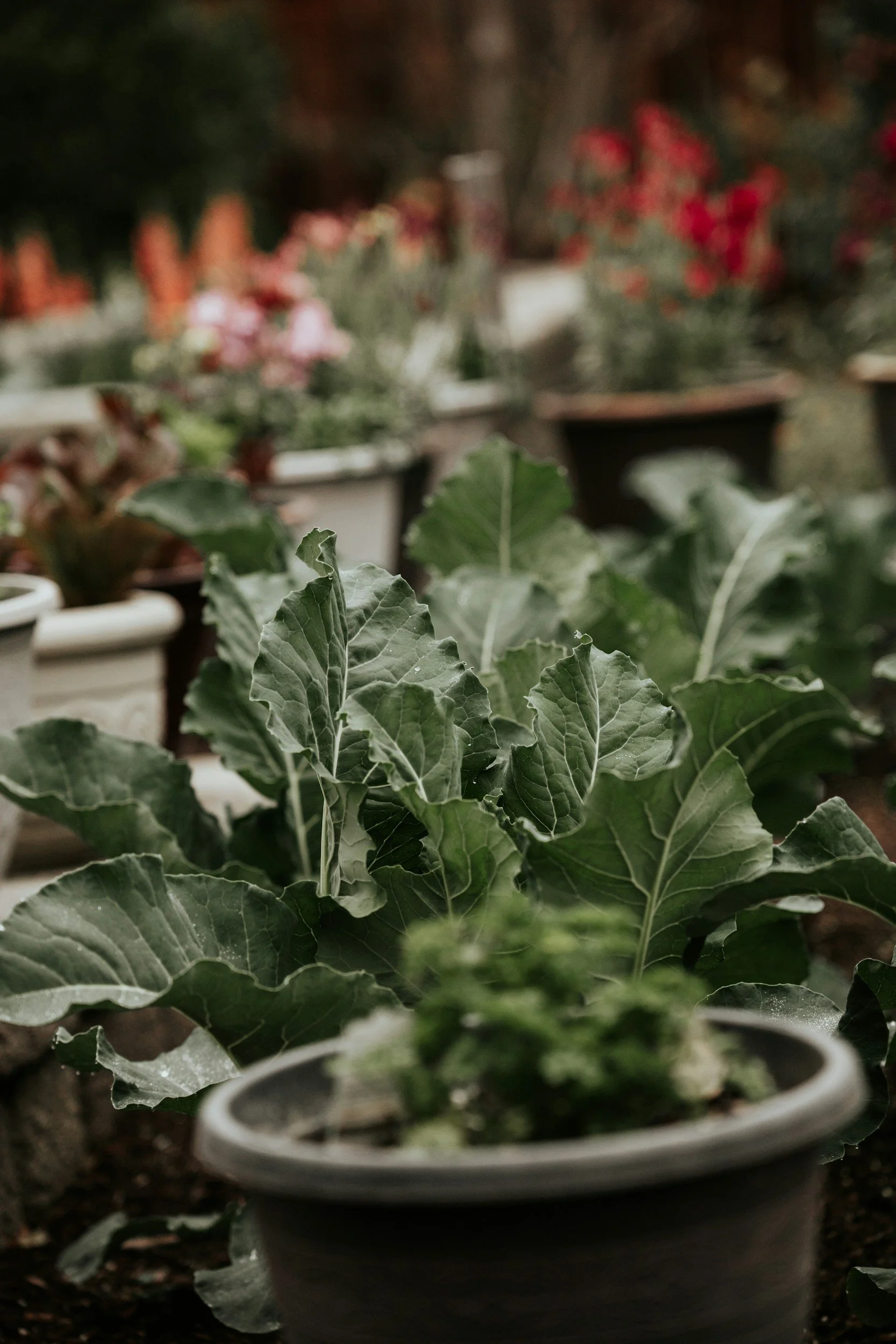
You don’t need a large garden—or even a garden at all—to grow vegetables. Buckets and pots are one of the easiest, cheapest, and most flexible ways to grow fresh food in very small spaces. Whether you have a balcony, patio, doorstep, or sunny corner, container gardening lets you grow vegetables almost anywhere …
Why Buckets and Pots Work So Well
Buckets and pots are ideal for small‑space gardening because they are:
Portable – You can move them to follow the sun or protect plants from bad weather.
Space‑efficient – Perfect for balconies, patios, and paved areas.
Affordable – Buckets can be recycled or purchased cheaply.
Easy to maintain – Fewer weeds and better control over soil quality.
With the right setup, containers can produce surprisingly large harvests.
Choosing the Right Buckets or Pots
Almost any container can work, as long as it’s safe and well‑draining.
What to Look For
Size:
Small herbs: 15–20 cm deep
Leafy greens: 20–25 cm deep
Tomatoes, peppers, courgettes: 30–40 cm deep
Drainage holes: Essential to prevent waterlogging.
Food‑safe materials: Avoid containers that previously held chemicals.
Plastic buckets, fabric grow bags, terracotta pots, and sturdy storage tubs all work well.
Preparing Buckets for Planting
Before planting:
Drill or punch several drainage holes in the bottom.
Add a thin layer of gravel or broken pottery (optional).
Fill with high‑quality compost
Mix in a slow‑release organic fertiliser or use horse manure
Good compost is crucial because plants rely entirely on what’s inside the pot.
Best Vegetables to Grow in Buckets and Pots
Some vegetables are especially well‑suited to container growing.
Some Choices
Leafy greens: Lettuce, spinach, rocket, kale
Herbs: Parsley, chives, mint (keep mint in its own pot)
Tomatoes: Cherry or patio varieties
Peppers & chillies
Radishes
Spring onions
Carrots: You’ll need to choose the pot carefully
Beans & peas: Use stakes, obelisks or small trellises
Potatoes
Positioning Your Containers
Place buckets and pots in the sunniest area available.
Rotate containers occasionally for even growth.
Group pots together to reduce moisture loss and create a warmer microclimate.
If sunlight is limited, focus on leafy greens and herbs, which tolerate partial shade.
Watering: The Key to Success
Containers dry out much faster than garden soil, so water frequently.
Best watering practices:
Check soil daily in warm weather.
Water until it drains from the bottom.
Water early morning or late evening.
Keep soil moist, not soggy.
Self‑watering pots or adding saucers underneath can help during hot spells.
Feeding Container Plants
Vegetables in pots need regular feeding.
Use liquid fertiliser every 1–2 weeks during the growing season. You can make your own fertiliser or buy it.
Tomatoes and fruiting plants benefit from high‑potassium feeds.
Watch for pale leaves or slow growth—these can signal nutrient shortages.
Making the Most of Limited Space
To maximise yield:
Grow one large plant per bucket (e.g. tomatoes).
Plant multiple fast‑growing crops together (like lettuce and radishes).
Use vertical supports for climbing plants.
Replant as soon as a crop finishes (succession planting).
A few well‑managed buckets can produce food all season.
Final Thoughts
Growing vegetables in buckets or pots is one of the simplest ways to produce fresh food in a small space. With good compost, enough sunlight, and regular watering, container gardens can be incredibly productive.
Start with just a few pots, grow what you enjoy eating, and expand as your confidence grows. Even the smallest container garden can bring big rewards.
New buckets and pots can be bought in store here at Wellington Home and Gardens, along with a selection of vegetable and herb starter plants and seeds.
If you’re looking for something more unique or antique, then why not take a look at our sister site: English Salvage for inspiration.