Autumn Lawn Care: A Wildlife-Friendly Approach to a Healthy Garden
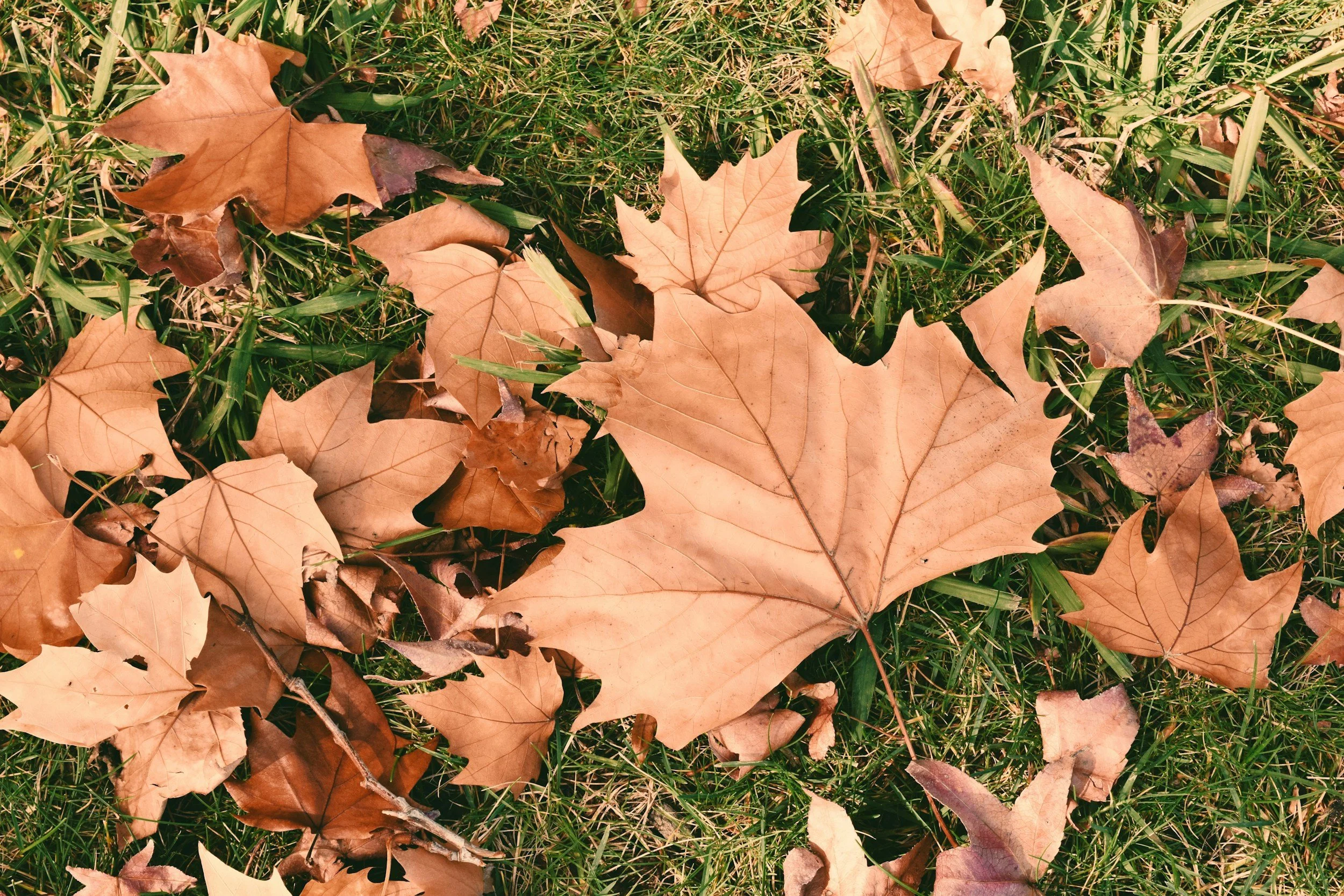
As the days grow shorter and leaves begin to fall, autumn becomes a crucial season for lawn care. A little attention now can help your grass recover from summer stress, remain healthy through winter, and return to life in spring. Better still, you can achieve this while creating a haven for birds, hedgehogs, pollinators, and other garden wildlife.
Why Autumn Lawn Care Matters
Autumn provides ideal growing conditions for grass. The soil is still warm, rainfall is usually more consistent, and cooler temperatures reduce stress on the lawn. This makes it the perfect time to repair damage, strengthen roots, and prepare your garden for the colder months ahead.
Essential Autumn Lawn Care Tasks
1. Keep Leaves Under Control
Fallen leaves can quickly smother grass, blocking sunlight and trapping moisture. This can lead to patches of weak grass and encourage fungal diseases.
Rake or collect leaves regularly from your lawn.
Use gathered leaves to create leaf mould, a fantastic soil conditioner.
Leave some leaf piles in quiet corners of the garden for hedgehogs and overwintering insects.
2. Continue Mowing
Grass continues to grow throughout autumn, although at a slower rate.
Continue mowing as needed.
Gradually raise the cutting height.
Avoid cutting the lawn too short before winter, as longer grass helps protect roots from frost.
A slightly longer lawn is also beneficial for insects seeking shelter during colder months.
3. Aerate Compacted Soil
After a busy summer of foot traffic, lawns can become compacted.
Use a garden fork or lawn aerator to create small holes across the lawn.
This improves air circulation, drainage, and root development.
Aeration is particularly beneficial on heavy clay soils.
4. Repair Bare Patches
Autumn is one of the best times to overseed worn or patchy areas.
Loosen the soil surface.
Apply quality grass seed.
Keep the area moist until new growth establishes.
Choose seed mixes suited to your garden conditions, whether sunny, shaded, or hard-wearing.
5. Feed for Strong Roots
Rather than encouraging lush top growth, autumn feeds focus on strengthening roots.
Look for an autumn lawn fertiliser that contains:
Lower nitrogen levels
Higher potassium content
Nutrients designed to increase winter resilience
Healthy roots mean a stronger, greener lawn next spring.
Making Your Garden Wildlife Friendly This Autumn
While tidiness has its place, wildlife thrives in gardens that offer food, shelter, and nesting opportunities throughout the year.
Leave Some Areas Natural
Instead of cutting everything back:
Leave seed heads on perennials.
Allow ornamental grasses to stand through winter.
Retain some dead stems for overwintering insects.
These provide valuable food sources and shelter during colder months.
Create a Leaf Habitat
Many gardeners view fallen leaves as a nuisance, but they are incredibly valuable for wildlife.
Consider:
Creating a dedicated leaf pile.
Leaving leaves beneath hedges and shrubs.
Adding leaves to compost heaps.
Hedgehogs, beetles, frogs, and countless invertebrates benefit from these habitats.
Plant for Late-Season Pollinators
Many bees and hoverflies remain active well into autumn.

Great autumn-flowering plants include:
Sedum
Asters
Ivy
Michaelmas daisies
These plants provide a crucial final nectar source before winter arrives.
Protect Birds Through the Cooler Months
As natural food supplies decline, birds appreciate a helping hand.
Provide:
Bird feeders with seeds and peanuts.
Fresh water for drinking and bathing.
Dense shrubs for shelter from weather and predators.
A wildlife-friendly garden often becomes a busy and enjoyable viewing spot throughout autumn and winter.
Check Before Tidying
Before moving logs, leaf piles, or compost heaps:
Check carefully for hedgehogs and other creatures.
Avoid disturbing potential hibernation sites.
Delay major clear-outs until spring where possible.
Helping Hedgehogs This Autumn
· Autumn is an important time for hedgehogs as they prepare for hibernation. You can support them by leaving a pile of leaves in a quiet corner, providing fresh water, and avoiding disturbing potential nesting sites.
· It's also important to make your garden safe for hedgehogs. Before strimming long grass, clearing vegetation, moving compost heaps, or lighting bonfires, always check carefully for wildlife that may be sheltering underneath. Cover drains, ponds, and deep holes where hedgehogs could become trapped, and avoid using netting at ground level.
· Creating small gaps in fences, often called "hedgehog highways", helps them move safely between gardens in search of food and shelter.
· Don’t give hedgehogs milk or bread. Milk causes digestive problems, and bread offers little nutritional value.
· Before lighting a bonfire, check the pile thoroughly and move the materials carefully.
· A few simple changes can make your garden a valuable refuge for these much-loved visitors throughout the colder months.
The Perfect Balance
A healthy autumn lawn and a wildlife-friendly garden are not opposing goals. By keeping your grass in good condition while leaving selected areas slightly wild, you create a garden that looks attractive, supports biodiversity, and requires less intervention over time.
This autumn, think beyond a perfectly manicured lawn. A few leaves left in the right places, a longer mowing schedule, and some simple habitat creation can make a significant difference to the wildlife sharing your garden while ensuring your lawn remains healthy and resilient for the seasons ahead.
Visit us at Wellington Home and Gardens for seasonal gardening essentials, lawn care products and inspiration for your outdoor space.
Happy Gardening!